
DESTINATIONS / NETWORK
Every destination. One clear plan.
Start with the place. Then connect the cargo, the gateway and the final address. Explore eight sample destination plans built around what happens next.
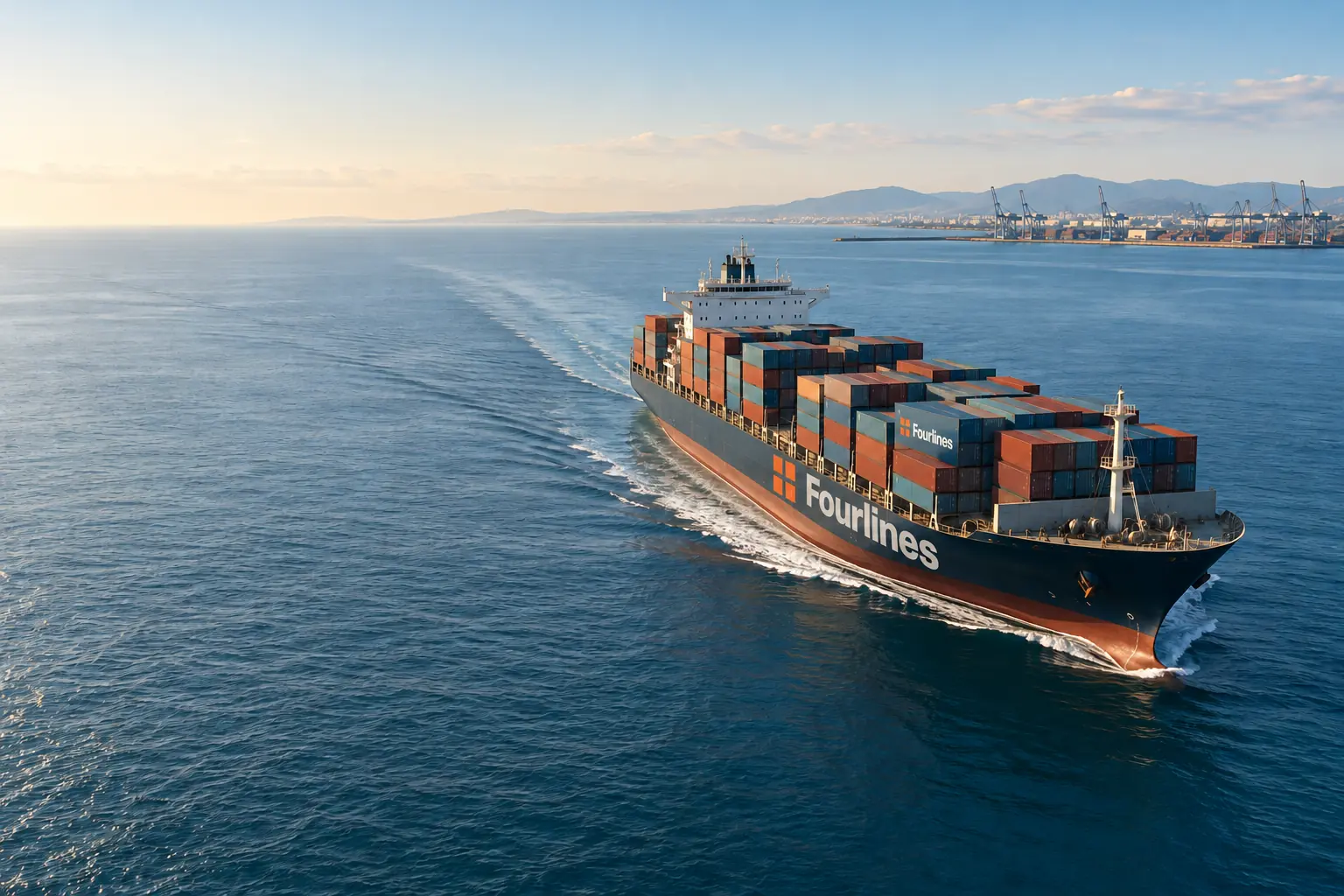
Planning examples. These pages demonstrate the template’s destination layout and do not represent confirmed offices, coverage or bookings.
Choose a destination. See the whole route.
Eight places from the sample network. Open a destination to explore planning considerations, useful shipment details and connections between modes.
01 / EUROPE

Netherlands
Rotterdam
Bring the sea leg and the onward delivery into the same conversation. Start with the receiving address, the cargo and the window that matters.
Explore destination ↗02 / ASIA PACIFIC

China
Shanghai
Build the outbound plan around cargo readiness. Keep collection, packing information and the onward movement aligned from the first enquiry.
Explore destination ↗
Singapore
Singapore
When one shipment leads to several receiving points, make each connection visible. Plan the main movement and the onward orders together.
Explore destination ↗
Australia
Sydney
Start with the receiving team, then connect every leg behind it. Give the main order and any priority pieces a clear place in the plan.
Explore destination ↗03 / MIDDLE EAST & AFRICA

United Arab Emirates
Dubai
Start with the delivery appointment and work back through the journey. Keep the main cargo, priority items and site requirements in one practical brief.
Explore destination ↗
Nigeria
Lagos
Make the cargo and the receiving plan easy to follow. Keep shipment references, handling needs and delivery responsibilities together from the start.
Explore destination ↗04 / THE AMERICAS

United States
Los Angeles
Connect the incoming order to the inventory plan. Compare the arrival, warehouse appointment and onward stock allocation as one journey.
Explore destination ↗
Brazil
São Paulo
Keep production priorities connected to the transport brief. Describe the routine stock, critical parts and final receiving needs before comparing options.
Explore destination ↗Start with the right details.
A destination is one part of the brief. Use these three questions to turn a place on the map into a useful planning conversation.
01 / THE CARGO
What is moving?
Describe the goods, packaging, dimensions, weight and any handling constraints before comparing routes.
02 / THE CONNECTION
Where does it go next?
Share the collection and receiving addresses. Include any proposed gateway and the party responsible for the next leg.
03 / THE WINDOW
When is it ready?
Give the cargo-ready date and requested delivery window. Proposed capacity, schedules and terms need confirmation.